The Philippines Likely to Exit the FATF Grey List Soon
Unofficial translation from the Vietnamese original.
An analyst at Moody's Analytics (a provider of software and research in economic analysis and risk management) has said that the Philippines is likely to exit the Financial Action Task Force (FATF) “Grey List” soon, despite a high incidence of money laundering, mainly linked to casinos.
Mr Choon Hong Chua, Senior Director at Moody’s and head of its Financial Crime Compliance Practice for Asia-Pacific and the Middle East, stated that the Philippines is “on the right track” to exit the Grey List.
According to a report published by BusinessWorld on Monday (27 May 2024), Mr Chua said: “One thing that is clear is that the country is committed to strengthening its anti-money laundering and countering the financing of terrorism (AML/CFT) controls and has implemented the requirements more rigorously.”
According to Moody’s Grid database, from 2018 to 2023 the Philippines remained among the top five countries in South-East Asia for money laundering activity. Moody’s data show that between 2022 and 2023 the Philippines saw a 45% increase in money laundering cases.
Mr Chua noted that money laundering cases in the country have a “high proportion” linked to gaming activities, including online gambling, casinos and betting centres. He added that, besides these activities, a large share of money laundering in the region is also linked to organised crime and sophisticated scam operations, some of which have been set up in the Philippines.
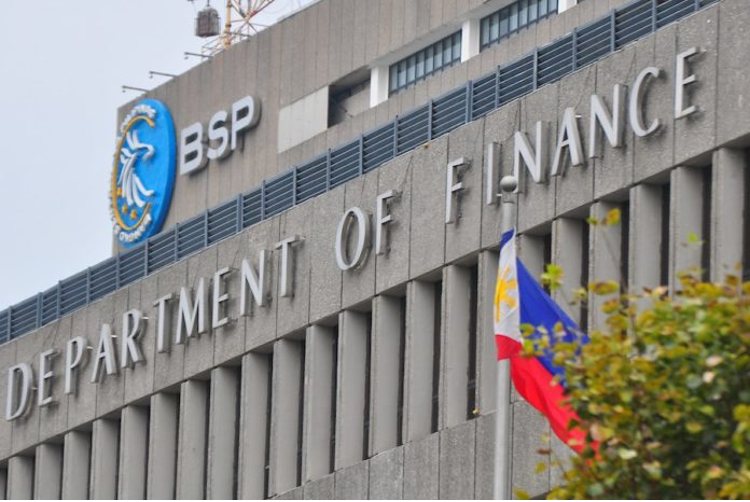
Department of Finance – Anti-Money Laundering Council of the Philippines
The Philippines has remained on the FATF list of jurisdictions under increased monitoring for illicit financial activities since June 2021. The FATF Plenary, the organisation’s decision-making body, usually meets in February, June and October. At the most recent plenary session, held in Paris on 23 February, the Philippines’ bid to be removed from the grey list of the Financial Action Task Force (FATF) was unsuccessful.
The main areas of concern highlighted by the FATF include requiring the Philippines to demonstrate effective supervision of designated non-financial businesses and professions (DNFBPs), which span a wide range of sectors such as casinos, real estate agents, lawyers and accountants. These entities are required to assess risks, maintain records, report suspicious activities and manage internal risks.
In addition, the FATF stressed the importance of mitigating casino-related risks and called for greater efforts in money laundering investigations and prosecutions in line with the identified risks.
In this context, Mr Chua highlighted the proactive measures taken by the current regime to enhance anti-money laundering capacity in the banking sector. These include implementing new regulations and maintaining active communication with covered entities to address observed weaknesses.
He further highlighted the Philippine Government’s continuous efforts to enforce tighter controls, reporting requirements and compliance in the financial sector.
Earlier this year, Philippine President Ferdinand R. Marcos, Jr. directed all relevant government agencies to accelerate efforts to swiftly remove the country from the Grey List. The Anti-Money Laundering Council had also previously declared its commitment to stepping up investigations and prosecutions related to illicit financial activities this year.
Mr Chua stressed the role of the private sector in complying with requirements in a timely manner to help the Philippines exit the grey list. This requires joint efforts and cooperation from both public- and private-sector stakeholders. He considered that the private sector must also allocate resources to develop capabilities enabling a faster and more streamlined transition to digitalised systems.
Financial institutions and the wider private sector are encouraged to participate actively in anti-money laundering efforts. Mr Chua also proposed measures to strengthen the private sector’s ability to combat money laundering, stressing the need to enhance third-party risk management capabilities to help organisations mitigate diverse risks.
Vu Thu Ha – Centre 81