Proactively responding to the risk of biological incidents and biological weapons
Unofficial translation from the Vietnamese original.
Proactively responding to bioterrorism and to warfare involving biological weapons (BW), and dealing with toxic chemicals, so as to meet the requirements of the task of defending the Fatherland in the new situation, is one of the important solutions set out in Resolution No. 36-NQ/TW of 30 January 2023 of the Politburo on the development and application of biotechnology for the sustainable development of the country in the new situation.
On this subject, a reporter from the People’s Army Newspaper spoke with Major General Ha Van Cu, Commander of the Chemical Corps and Head of the Standing Office of the National Focal Point of Vietnam for countering the proliferation of weapons of mass destruction.
Reporter: How do you assess bioterrorism, warfare involving biological weapons and the risks they pose to countries and territories?
Major General Ha Van Cu: Biological weapons were once regarded as the “poor man’s nuclear weapon”, being difficult to control and capable of causing destruction over a vast area, even globally. Biological agents and biological weapons are of particular concern to many countries, and terrorist organisations are constantly seeking to acquire them.
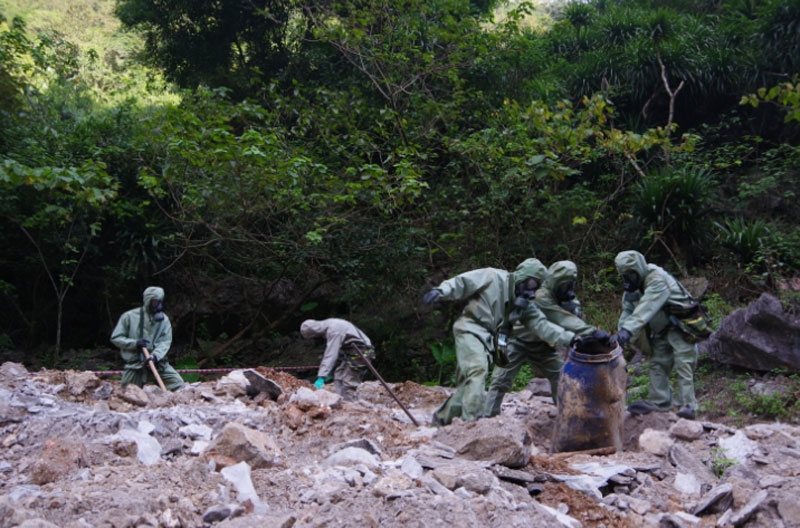
Chemical Corps troops collect and treat toxic chemicals left over from the war
According to the U.S. Centers for Disease Control and Prevention, bioterrorism is the deliberate release of viruses, bacteria, germs, fungi, etc. to cause illness or death in people, livestock or crops. Given the advantages of biological weapons and the wide sharing of biotechnology knowledge in the internet age, terrorists are finding it ever easier to gain access to modern biotechnology and biological research facilities in order to culture and weaponise naturally occurring biological agents. Lax biosecurity controls could lead to global consequences should terrorists use biological weapons.
In practice, biological weapons have been used in warfare around the world and have proved genuinely difficult to control and unpredictable on the battlefield, sometimes affecting the troops of both sides. With the remarkable development of biotechnology, especially gene-editing technology, which makes it possible to tailor biological agents for military purposes, biological weapons may still be attracting interest and may be hidden within the research programmes of many countries under the pretext of disease mitigation.
Although 185 countries have now signed and ratified the Biological Weapons Convention, the remarkable advances in biotechnology and the absence of a verification mechanism under the Convention may make the proliferation of biological weapons difficult to control.
Reporter: How has the Chemical Corps advised the Central Military Commission and the Ministry of National Defence on responding to such situations?
Major General Ha Van Cu: As the core force in response and combat readiness for situations involving weapons of mass destruction, including biological weapons, and in its function as the Standing Office of the National Focal Point of Vietnam for countering the proliferation of weapons of mass destruction, the Chemical Corps has effectively advised the Central Military Commission and the Ministry of National Defence on force development, such as the establishment of forces to respond to and remedy chemical, biological, radiological and nuclear (CBRN) incidents and disasters. The Chemical Corps has now established the National Action Centre for Toxic Chemicals and Environmental Treatment (NACCET); three centres for responding to toxic chemical, radiological and nuclear incidents (in the North, Centre and South of the country); an Environmental Remediation Team; and the Centre for Radiological and Chemical Forecasting and Countering the Proliferation of Weapons of Mass Destruction (Centre 81).
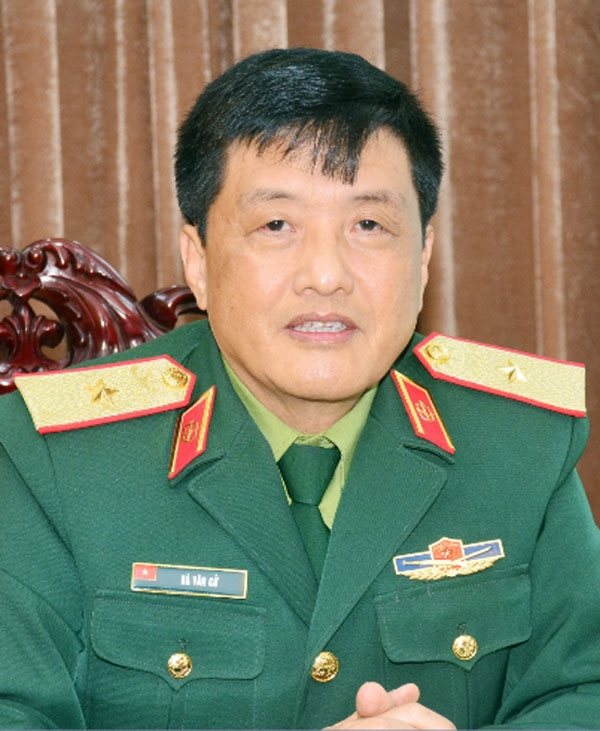
Major General Ha Van Cu
In addition, the Chemical Corps has researched and advised on the finalisation of guidance documents in the field of CBRN incident response, such as: the plan to implement the National Action Plan on preventing, detecting and preparing to respond to CBRN risks and incidents for the 2019–2025 period; the plan for preparing forces and means to respond to CBRN-related incidents and disasters; advising on the collection and assessment of information on CBRN-related developments; implementing international treaties prohibiting weapons of mass destruction, including the Biological Weapons Convention; and coordinating closely with the agencies, units and forces of the Ministry of Health in advising on, training for and conducting exercises in disease prevention and control.
The results of the Chemical Corps’ advisory work and task performance have been recognised and highly appreciated by the Central Military Commission, the Ministry of National Defence, the General Staff of the Vietnam People’s Army, and Party commissions, ministries and sectors.
Reporter: What is the significance of the Politburo’s issuance of Resolution No. 36-NQ/TW of 30 January 2023 for the performance of the Chemical Corps’ tasks?
Major General Ha Van Cu: Biotechnology is one of the three main fields of the Fourth Industrial Revolution. The Politburo’s issuance of Resolution No. 36-NQ/TW is a sound and timely policy that creates momentum for our country to become a nation with a developed biotechnology sector and a centre for smart bio-manufacturing and bio-services among the leaders in the region, and to build biotechnology into an important economic and technical sector contributing to the country’s gross domestic product (GDP). Besides the development of the bio-industry and biotechnology, the resolution also addresses the tasks and solutions for responding to bioterrorism and warfare involving biological weapons, dealing with toxic chemicals and ensuring biosecurity in research and production, which ensures the comprehensiveness of the resolution.
This is a very important policy that provides orientation and guidance, helping the Chemical Corps to perform even better its tasks of advising on, preparing for, responding to and remedying biological situations, and of actively and proactively preventing and promptly stopping biosecurity risks that could lead to biological incidents and the proliferation of biological weapons.
Reporter: How is this important resolution being disseminated and implemented?
Major General Ha Van Cu: In accordance with its assigned functions and tasks, the Chemical Corps has been disseminating, communicating and raising awareness of the content of Resolution No. 36-NQ/TW and developing a programme and action plan to implement the resolution, focusing on matters relating to the risks of biological incidents, bioterrorism and the use of biological weapons in warfare, and to preventing and responding to them. In particular, it is concentrating on a number of important tasks:
First, regularly keeping abreast of developments in biology, the possibility of biological weapons being used in warfare and bioterrorism, the risk of biological weapons proliferation, and the possibility of hostile forces exploiting our country’s development of biotechnology to make false accusations and create pretexts; and promptly advising the Central Military Commission and the Ministry of National Defence on measures for prevention, detection and response.
Second, proactively researching and proposing the consolidation and capacity building of the forces responsible for research on and response to biological incidents and situations involving the use of biological weapons in peacetime and wartime; and raising awareness and finalising plans and scenarios for training and exercises for forces responsible for responding to and countering biological weapons.
Third, coordinating closely with ministries, sectors and localities in advising the National Focal Point of Vietnam for countering the proliferation of weapons of mass destruction and in assisting the Government in finalising the system of legal normative documents, regulations and guidance for implementing the international treaties on countering the proliferation of biological weapons.
Reporter: In your view, what solutions are needed to respond to the proliferation of biological weapons, bioterrorism and the use of biological weapons?
Major General Ha Van Cu: At present, part of the population still does not fully understand the proliferation of biological weapons and bioterrorism; biosecurity risks are still underestimated; and the system of legal normative documents and the capacity to respond to biological situations remain limited. Therefore, in order to promptly detect, prevent and respond to the proliferation of biological weapons, bioterrorism and the use of biological weapons, it is first necessary to actively raise awareness throughout the armed forces and the population of the risks and of how to recognise, prevent and respond to biosafety and biosecurity situations.
In particular, the system of legal normative documents and guidance on biosecurity and on responding to biological incidents, disasters and epidemics must be finalised as soon as possible; on that basis, the response forces should be consolidated and their capacity enhanced, and equipment and supplies should be fully prepared to respond to any situation. In the course of implementation, international cooperation should be stepped up in order to mobilise human and material resources for the research, development and application of biotechnology, and for the prevention of and preparedness for biological incidents, disasters and epidemics.
People’s Army Newspaper